BLUF: How does junk removal work?
Junk removal starts with a clear scope, a site review, safe separation of materials, loading, responsible disposal or recycling, and a final cleanup. The exact process changes with the type of material, access, building conditions, and any local rules that apply.
A good removal job is more than making a pile disappear. The crew must know what is being removed, what stays, whether utilities or structural hazards are involved, how the material will leave the property, and where each load can go. Right On Time Demolition’s live service page describes junk removal and cleanup for homes and businesses, with booking and contact routes available on the site.
Start with the Right On Time junk removal and cleanup service when you need to discuss a specific property. For a broader demolition scope, the company’s demolition service page is a separate route.
Did You Know? A removal estimate can change when access, material type, weight, volume, or sorting needs are different from the first description. Clear photos and a list of what stays can make the first conversation more useful.
1. Define what is being removed
Separate junk from demolition
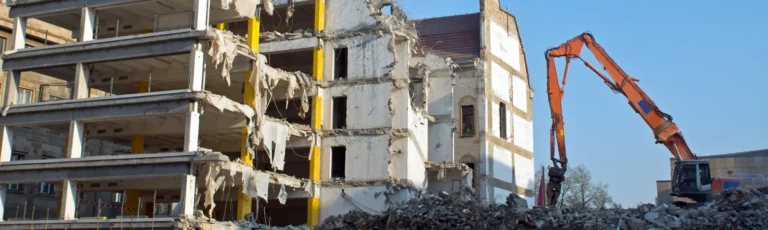
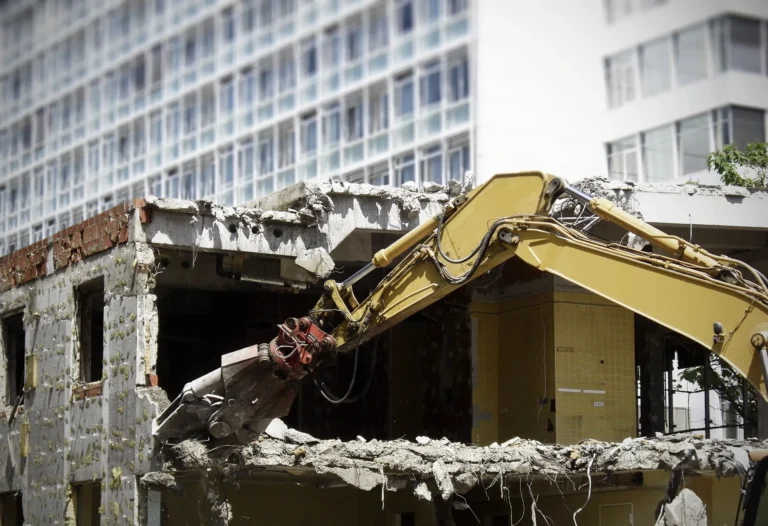
Junk removal usually covers unwanted items, debris, and a property cleanout. Demolition involves taking apart a structure, interior, slab, or another built element. The two scopes can overlap, but they are not the same job. A crew needs to know whether it is carrying items out, breaking materials apart, or doing both.
Describe the material in plain language. Mention furniture, appliances, boxes, brush, construction debris, concrete, scrap metal, or damaged items. Also list anything that must remain. A short video walk-through can help show stairs, narrow gates, long carries, low ceilings, or other access issues.
Flag special materials early
Do not place paint, chemicals, propane cylinders, asbestos-containing materials, medical waste, batteries, or other potentially hazardous items into a general junk pile. Disposal rules vary by material and location. A contractor may need to exclude an item, use a different process, or ask the property owner to contact a specialty handler.
The EPA household hazardous waste guidance explains why common household products need separate handling. It is a useful public reference, not a substitute for local disposal instructions or professional advice.
Pro Tip: Before the crew arrives, put a bright note or marker on items that stay. This simple step can reduce the chance of a good item being loaded by mistake.
2. Review the property and plan access
Walk the route from pile to truck
A removal plan should follow the actual path materials will take. The crew may need to move through a room, hallway, gate, driveway, or parking area. Note steps, soft ground, overhead wires, parked vehicles, locked gates, and surfaces that need protection.
The live Right On Time homepage describes a process built around clearing the way for what comes next and links visitors to booking, service, and contact routes. That public structure supports a practical planning conversation: identify the scope, confirm access, choose the equipment and labor needed, then set the work plan.
Confirm utilities and building conditions
If material is attached to a wall, floor, ceiling, or fixture, say so before removal. The crew may need to treat it as interior demolition rather than ordinary carry-out work. If a structure is damaged, unstable, or connected to utilities, the project needs a safety review before anyone starts pulling material apart.
OSHA’s demolition safety overview explains that demolition work can include unknown hazards and calls for planning, protection, training, and compliance with applicable standards. A junk removal request does not remove the need to recognize when the scope has become demolition.
3. Sort, load, and move the material
Keep materials organized
Sorting can happen before loading, during loading, or at a transfer point, depending on the site and the material. Concrete, brick, metal, clean wood, household items, and mixed debris may have different disposal paths. Keeping loads organized can help the next handler make a better decision about reuse, recycling, or disposal.
Not every item can be recycled, and no provider should promise a recycling result without confirming the material and receiving facility. A responsible explanation uses careful language: material may be separated when practical, and final handling depends on local facility rules.
Protect the property during removal
Use the right path and equipment for the load. Protect finished floors, corners, doors, landscaping, and drive surfaces when the scope calls for it. Heavy material should not be dragged across a surface that can crack or gouge. A professional crew also controls the work area so loose debris does not create a new hazard.
Did You Know? The largest item is not always the hardest item to remove. A small but dense load, a long carry, or a narrow access point can require more planning than a large pile beside an open driveway.
4. Dispose of the load and finish the site
Use the correct receiving path
After loading, material goes to a facility or handler that accepts that type of waste. The destination depends on what is in the load, where the project is located, and the provider’s operating plan. If a property owner needs documentation for a business, rental, insurance claim, or regulated material, ask about it before the work begins.
Avoid placing hazardous waste into ordinary household trash. The EPA explains that products such as paints, cleaners, oils, batteries, and pesticides can contain ingredients that need special management. Local solid-waste agencies may publish drop-off or collection rules for these materials.
Walk the area after loading
A completed cleanout should include a final look at the work area. Check floors, corners, driveway edges, remaining items, and any debris that could have been missed. If the project also includes light demolition, confirm whether broken material, fasteners, or small fragments still need to be removed.
Right On Time’s live home page links to booking and contact routes. Use the route that matches the next step instead of sending a vague request with no scope or access information.
How to prepare for a junk removal visit
Make the scope visible
Group items where it is safe and practical, but do not move heavy or dangerous material just to make the pile look neat. Keep pathways open and identify items that must stay. If the job is inside a building, note which rooms are included.
Share useful details
Tell the provider the property location, material type, approximate volume, access conditions, stairs, parking limits, and any known hazards. Photos from several angles can help, but they do not replace an on-site review when the material is attached, unstable, or difficult to identify.
Ask what the service includes
Ask whether loading, haul-off, sorting, disposal fees, cleanup, and any demolition labor are part of the scope. Do not assume a junk removal estimate includes permit work, hazardous-material handling, structural work, or repairs. A written scope makes the handoff clearer.
FAQs about junk removal
What happens during junk removal?
The provider reviews the material and access, confirms the scope, loads the items, transports the load, and leaves the work area cleaner. Sorting, recycling, disposal, and demolition work depend on the material and the agreed service.
Do I need to sort everything before the crew arrives?
You do not always need to sort every item, but you should separate anything that must stay and identify materials that may be hazardous. Clear labels, photos, and a short list can help the provider plan the job.
Can junk removal include demolition debris?
Junk removal may include some debris, but attached or structural material can require a demolition scope. Tell the provider whether the material is loose, built in, unstable, or connected to utilities so the work can be reviewed correctly.
What should not go in a junk removal load?
Do not assume that paint, chemicals, fuel, gas cylinders, asbestos-containing material, medical waste, or batteries can go into a general load. Ask about exclusions and use local hazardous-waste guidance for items that need a separate path.
How can I get a useful estimate?
Share the property location, the type and amount of material, access details, what stays, and photos when they are safe to take. A provider may still need to inspect the site before confirming the final scope.
Clear the next step
Junk removal works best when the scope is specific and the property is ready for a safe review. Tell Right On Time what needs to go, what must stay, how the crew will reach it, and whether any material may need special handling. Book a junk removal conversation or use the contact page to request the next step for your Houston-area property.